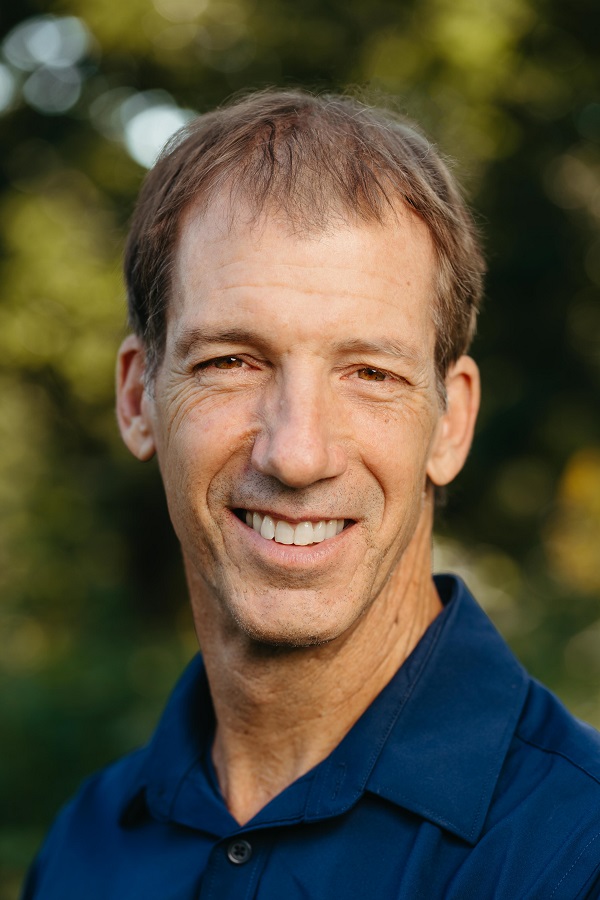
John J. Curtin, Ph.D.
Lead Researcher, Addiction Research Center (ARC), UW Department of Psychology
I am a clinical psychologist, and my research tries to understand problematic alcohol use, and learn how we can help people in recovery with their craving, use, and relapse.
My group is trying to answer important public health questions, like:
- Who is at greatest risk to experience problems with alcohol?
- Can we identify and help people before they experience problems related alcohol?
- Why is it so difficult for some people to stop drinking alcohol even after experiencing problems?
- Can we develop a way to warn people “just in time” about their drinking risk, so they can use recovery tools to help them before a lapse occurs?
To answer these questions we have studied hundreds of participants, both recreational drug or alcohol users with no history of problems, as well as persons who have problems with alcohol or drugs, and also those in recovery from their use. We have studied the use and addiction of alcohol, marijuana, and most recently, opioids. Our lab has published nearly 100 articles on this research over the last 20 years. Our research has been funded by the National Institutes of Health (NIAAA, NIDA, NCI and NIMH) continuously since 1998.
All of my research is grounded in a well-studied scientific framework, but my main goal is to improve the day-to-day lives of people in recovery. Currently my lab is working on creating a simple tool that people can use anywhere, anytime (through their smartphone) to identify feelings, behaviors, and social interactions in their normal day-to-day activities, and warn them when something might impact their recovery. This tool should also connect them with helpful in-the-moment recovery activities.
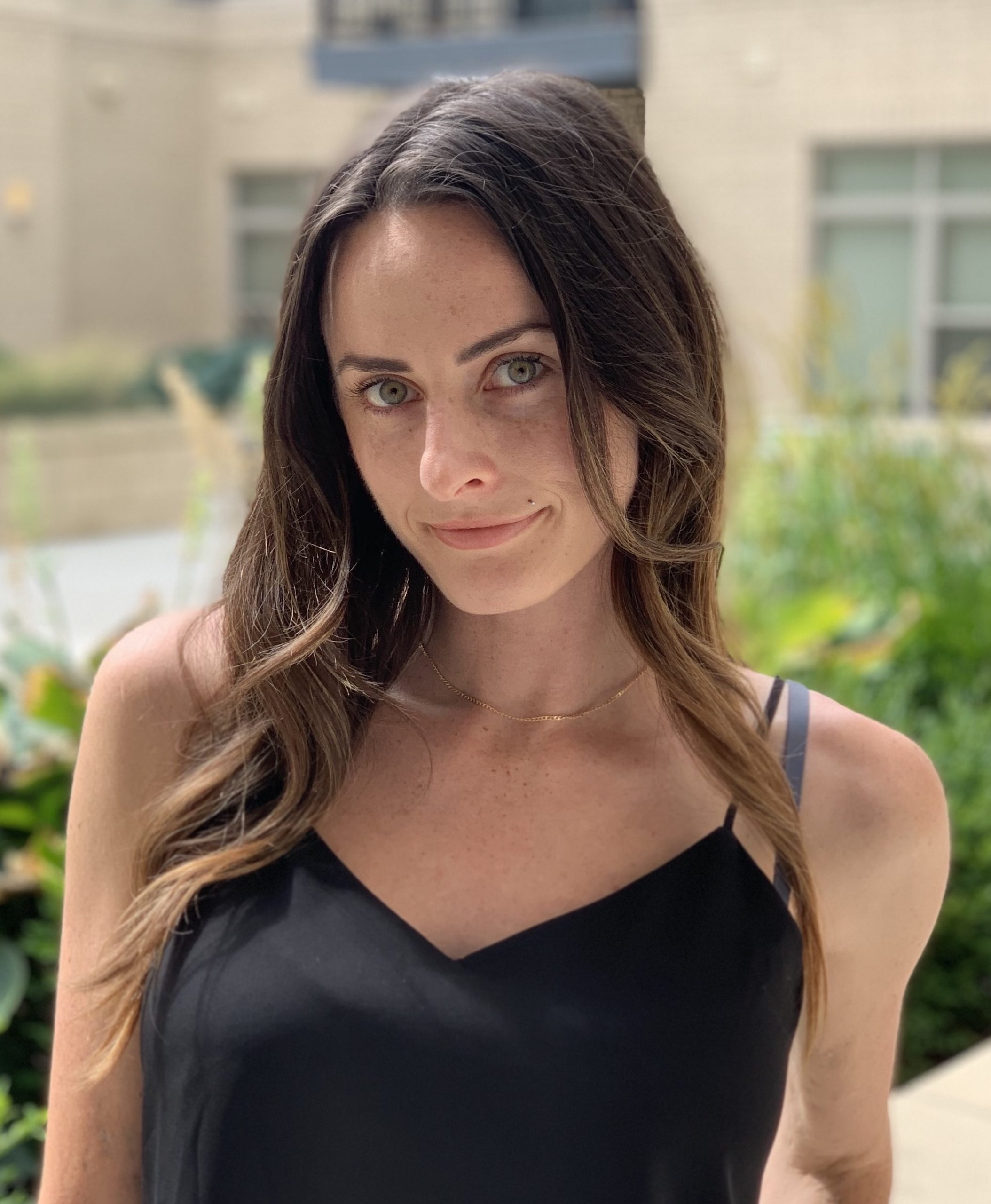
Kendra Wyant, M.A, Ph.D. Candidate
Graduate Student, Addiction Research Center (ARC), UW Department of Psychology
I am a fifth-year clinical psychology graduate student. My work focuses on developing personalized risk-prediction models, like the one we are using in this study.Because substance use disorders are lifelong conditions, I believe ongoing risk monitoring is a crucial part of supporting long-term recovery. Unfortunately, many people must manage this on their own, and it can be difficult to recognize changes in risk early enough to take preventive action. Our lab believes machine learning could help automate risk monitoring and provide people with tools to better understand their risk and make adjustments, much like how someone with diabetes monitors their blood sugar and makes changes to their diet or medication in response.As a clinician, I have worked with people struggling with substance use disorders across a range of settings. It is important to me to keep these clinical experiences, and my own lived experience with addiction, at the center of my research so that the tools I create are grounded in real-world understanding.

Coco Yu, M.A.
Graduate Student, Addiction Research Center (ARC), UW Department of Psychology
I am a third-year graduate student at John’s lab. My work centers around refining our understanding of mechanisms contributing to recovery success and using them to build machine learning models that predict recovery and provide support.
Recovery from substance use disorders is a life-long fight. Nonetheless, numerous barriers can restrict people from receiving the care they need. I aspire to build tools that, beyond their usefulness, are also easy to access and equitable to people from distinct minority backgrounds. To achieve this goal, I devote my work in low burden measures such as personal sensing technology. I believe that minimal efforts can make our tools more sustainable to users and thus providing continuous support in the long run. With equity in mind, I resonate with our lab’s goal of recruiting and benefiting diverse samples. I evaluate and compare my models’ performance in people from different minority groups.
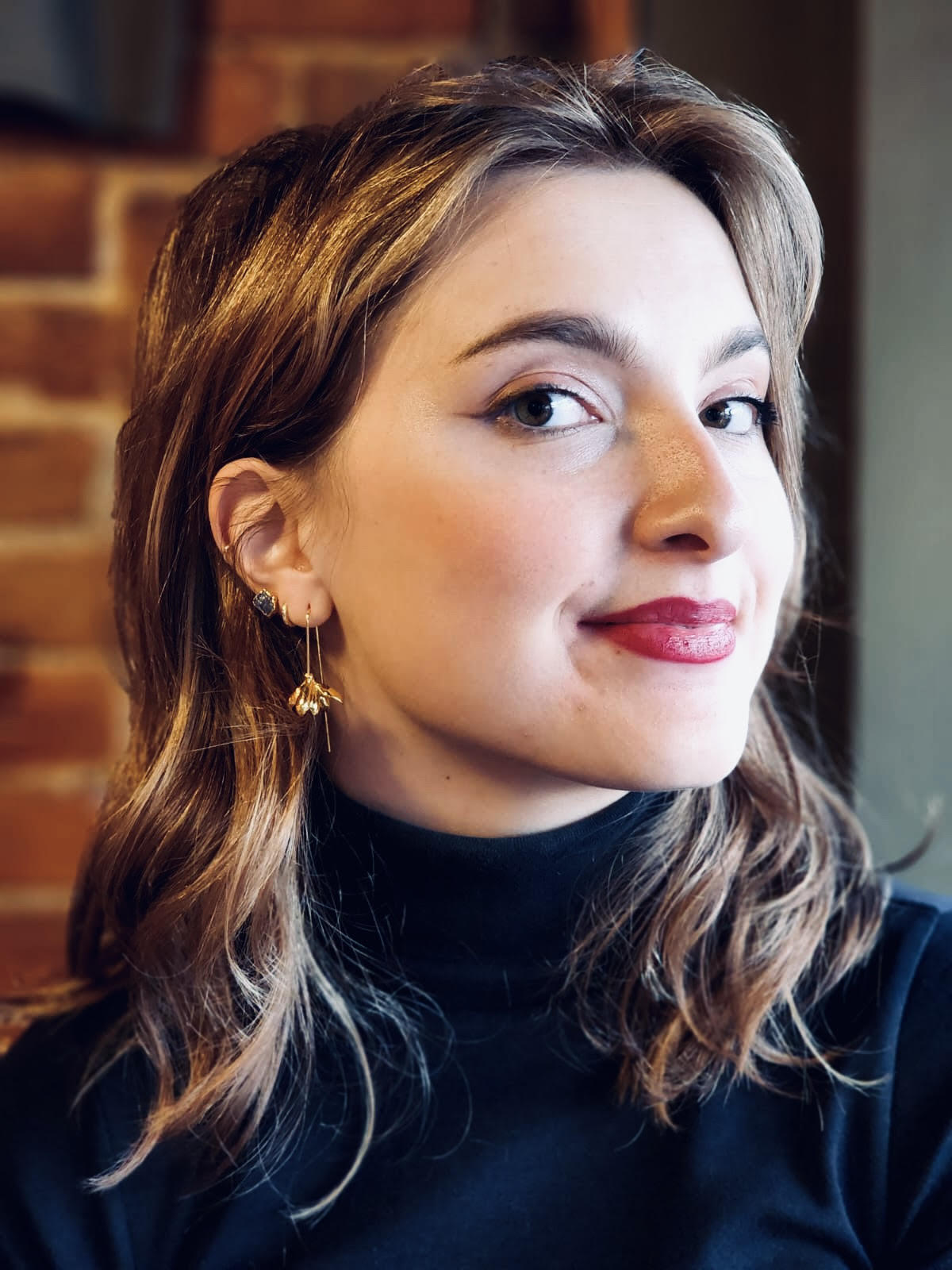
Claire Punturieri, M.S.
Graduate Student, Addiction Research Center (ARC), UW Department of Psychology
I am a third-year graduate student working in John’s lab. My work in the lab has focused on analyzing location data and exploring how we can make our interventions more equitable through discussions with community members. As a clinical psychology student, I also have recently begun my training in providing therapy and assessment.
Location data are a low burden data source that can provide a wealth of information to individuals in recovery from substance use disorders about their lapse risk: from where someone spends most of their time to how different locations might impact their mood. Learning how locations can impact lapse risk can help individuals plan their days in a way that promotes maintenance of their recovery goals.
I have also been involved with coordinating discussions between community members and our research team. Engaging in these conversations helps our team understand how we can better communicate complex information about the models we create. I believe that making our work transparent is essential to building mutual trust and respect between our team and our research participants.
Susan Wanta, M.A.
Lab Manager, Addiction Research Center (ARC), UW Department of Psychology
I’ve been working in patient care for chronic diseases since 2000, and with research participants in John’s lab since 2014. I run the day-to-day operations of the study: making sure data is coming in, reporting to the oversight groups who keep our data safe, and making sure participants get their visits and their payments scheduled on time.
I got my degree in psychology because I have personal experience with alcohol use and addiction in my family, both with my father, and with my husband and adult child. I’ve seen how hard it is for them to live with this burden, and how hard they fight to overcome it. I’ve always wanted my work to make a difference to people experiencing what my loved ones have gone through.