During the study
Protecting your data and privacy is our top priority. We are overseen by two groups at the University of Wisconsin-Madison that exists to protect and help research subjects. With their oversight, we follow careful guidelines for storing, using, and sharing any information that could be used to find out who participants are.
Here are some examples of how we will protect your information and reduce the risk that someone might see it:
What are the risks of taking part in the STAR Study?
The main risk of taking part in the STAR Study is to your privacy. If there is a data breach, someone could get access to the information we have about you. Even without your name, there is a chance someone could figure out who you are. Your information could be misused. We believe the chance of this is very small, but it is not zero.
We will gather information from you through surveys you answer on your smartphone. You will be asked to install a free GPS tracking app on your phone. There is a risk to your privacy whenever you use a smartphone or app. In general, there is no additional risk to your privacy if you use any of these technologies as part of the STAR study. However, the STAR study will be collecting many different types of information from you. There may be additional risk to your privacy in case of a data breach, because of the amount of information that the database contains.
Although we will not give other researchers your name, we will give them basic facts such as your race, ethnic group, and sex. This information helps researchers learn whether things that affect recovery are the same in different groups of people. These findings could one day help people of the same race, ethnic group, or sex as you. However, others could misuse the information to support harmful ideas about groups.
Taking part in the STAR study may have risks that we don’t know about yet. We will tell you if we learn anything that might change your decision to take part.
What will you do to protect my privacy?
Your privacy is very important, and we will take great care to protect it if you join. Here are a few of the steps we will take:
- Information we collect will be stored on protected computers. We will limit and keep track of who has access to your the information.
- We will remove your name and other direct identifiers from your information and replace them with a code. There is a master list linking codes to names. This list is kept secure, and very few people have access to it.
- We will tell you if there is a data breach in any system that stores your information, with or without identifiers.
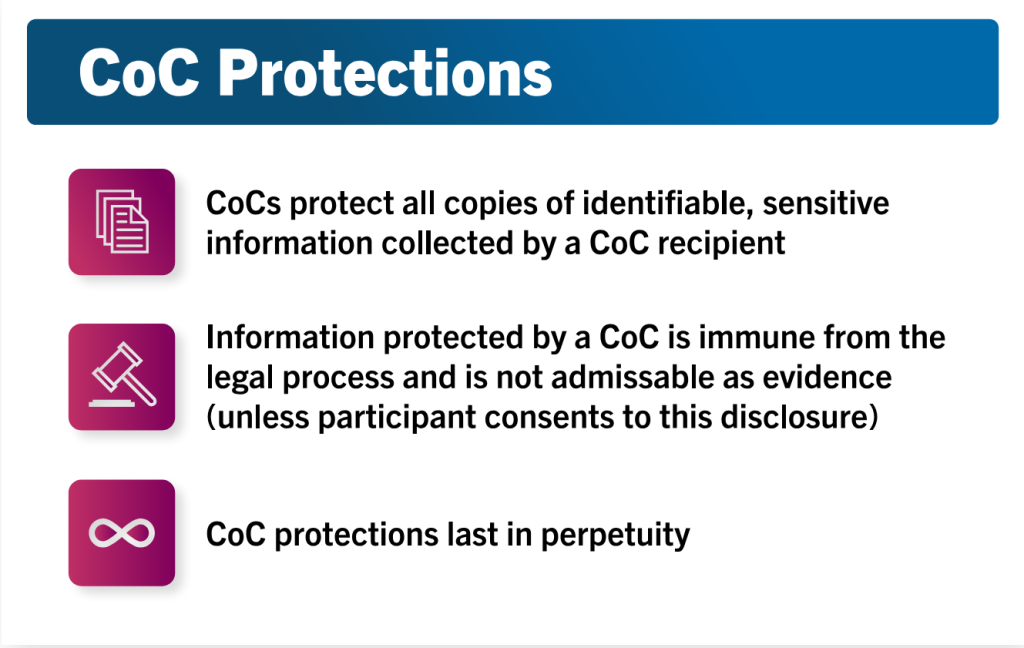
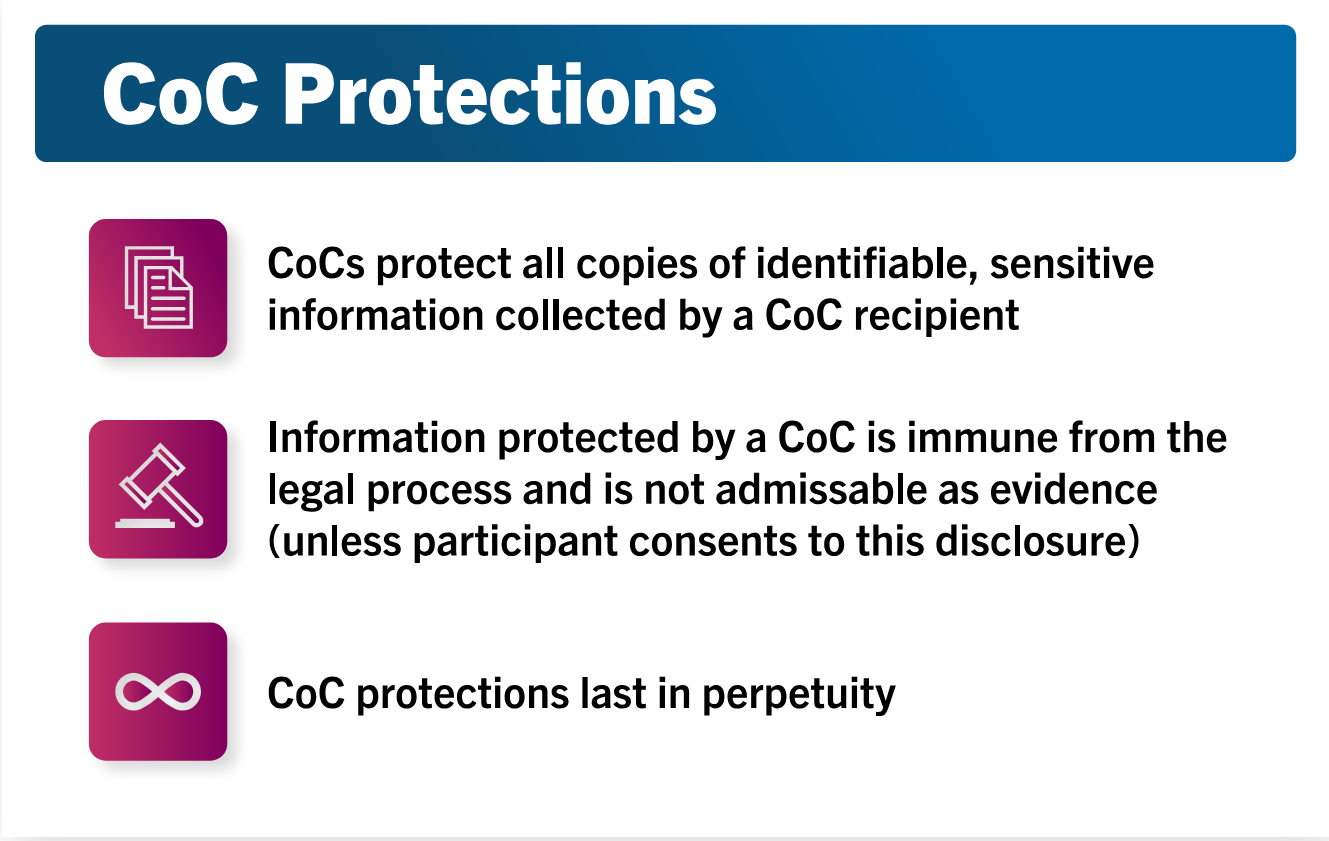
- The STAR project has a Certificate of Confidentiality from the U.S. government. This will help us fight legal demands (such as a court order) to give out information that could identify you.
Learn more: Certificates of Confidentiality
- The Certificate DOES NOT stop reporting that federal, state or local laws require. Some examples are
 laws that require reporting of child or elder abuse, some communicable diseases, and threats to harm yourself or others.
 - The Certificate CANNOT BE USED to stop a sponsoring United States federal or state government agency from checking records or evaluating programs. The Certificate DOES NOT stop disclosures required by the federal Food and Drug Administration (FDA).
- The Certificate also DOES NOT prevent your information from being used for other research if allowed by federal regulations. As we’ll discuss below, if you consent to being in the study, you are giving us permission to share data to other researchers under limited circumstances.
- The Lead Researcher may release information about you when you say it is okay. For example, you may give them permission to release information to insurers, medical providers or any other persons not connected with the research. The Certificate of Confidentiality does not stop you from willingly releasing information about your involvement in this research. It also does not prevent you from having access to your own information.
- Read the NIH’s FAQ on Certificates of Confidentiality here.
After the study
In the future, we want to share some of the data we collect in this research study, to help other scientists and clinicians use this information to help other people in recovery. There are different levels of sharing:
- When we share the results of our study publicly, like in a journal article or on our website, we will not share information that could be used to find out who participants are. We will only ever give grouped summaries of demographic information, like average ages, or percent of the people in each gender, race or ethnicity category.
- When we share data with other researchers for them to use in their own research, there are many additional safeguards in place. They will have to sign an agreement with UW-Madison to keep your data safe and only use it for the purposes intended. This means, only authorized researchers and research facilities would have access to your data. Identifying information about you like your name, birthdate, address, and phone number will never be part of shared data. An example might be sharing the study data with a researcher at a different university who wants to check if our data analysis was correct by re-doing it, or who is helping us look at the data in new ways for a new journal article.
- Data from this study will be submitted to the National Institute of Mental Health Data Archive, the NDA, at the National Institutes of Health (the NIH). NDA is a large database where de-identified study data from many NIH studies are stored and so that researchers have more data, which lets us learn new and important things about brain science more quickly than before. They do not accept ANY identifiable data, so they would never have name, address, birthdate, or any type of GPS or location data. The NIH has exceptionally strict standards for how we can securely send your data there, and how other researchers can get permission to access it.
If you have questions about privacy and data security, please don’t hesitate to contact us.